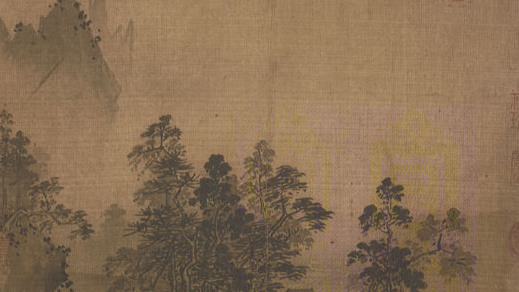
Xia Gui
Introduction
Xia Gui was a highly influential Chinese painter during the Song Dynasty, which lasted from 960 to 1279. His painting was distinguished by its focus on a distinctive style that emphasized a partial-view composition, which was a departure from the panoramic approaches of earlier periods. Xia Gui's work remains influential within the canon of traditional Chinese art, symbolizing the aesthetic and technical advancements of the Song Dynasty's painting traditions.
Biography
Early Life
Little is documented about Xia Gui's early life, including his exact birth date and the specifics of his background. However, it is known that he lived during the Southern Song Dynasty (1127-1279), a period marked by significant cultural and artistic development in China. Xia Gui's formative years were likely shaped by the rich artistic environment of the Song court, where he later served as a professional painter. His early exposure to the cultural milieu of the Southern Song court and the natural landscapes of his native region would have played a critical role in shaping his future artistic style and thematic focus.
Artistic Career
Xia Gui's career was primarily centered around his work as a court painter in the Southern Song Dynasty's imperial painting academy. His professional achievements are underscored by his contribution to the development of the Ma-Xia school, alongside his contemporary Ma Yuan. This school of painting was characterized by its departure from the grand, panoramic compositions of the Northern Song Dynasty (960-1127), moving towards a more intimate, focused representation of nature. Xia Gui's works notably employed a technique known as "one-corner composition," which featured prominently in the artistic conventions of the Southern Song period. This method emphasized the use of asymmetry and negative space, creating dynamic and contemplative compositions that were innovative for their time.
Style and Technique
Xia Gui is celebrated for his unique style and technical mastery in landscape painting. His work is characterized by the use of bold, expressive brushstrokes and a keen sensitivity to the effects of light and atmosphere. Xia Gui's landscapes often depict serene and ethereal scenes, capturing the essence of nature with a few well-placed lines and washes. His approach to composition was both innovative and influential; he utilized a technique that emphasized the centrality of a single corner or section of the canvas, leaving the rest as void or minimally detailed space. This use of negative space not only highlighted the intricacies of the depicted scene but also invited the viewer to engage imaginatively with the painting, a hallmark of the Ma-Xia school.
Influence and Legacy
Xia Gui's influence on Chinese painting is profound and long-lasting. His innovative techniques and distinctive style laid the foundation for future generations of artists, both within his own time and in subsequent periods. The Ma-Xia school, which he co-founded, became one of the defining movements of Southern Song painting, influencing countless artists and contributing to the broader evolution of Chinese landscape art. Xia Gui's emphasis on mood, atmosphere, and the subtle interplay of light and shadow can be seen in the works of later painters, who sought to emulate and expand upon his distinctive vision. His legacy is also preserved through the continued appreciation and study of his works, which remain revered in the collections of major museums and cultural institutions worldwide.
Notable Works
Xia Gui's body of work, though not exhaustively documented, includes several key pieces that exemplify his mastery of the landscape genre. Among these, his handscroll paintings are particularly renowned for their exquisite detail and compositional innovation. These works showcase his ability to convey vast natural scenes within a confined space, achieving a sense of depth and tranquility that resonated with the philosophical and aesthetic ideals of his time. While specific titles of Xia Gui’s works are less frequently cited in historical records, his style has been extensively studied and imitated, further cementing his status as a pivotal figure in the history of Chinese art.








